
Why Lightweight Native Code Outperforms Heavy Frameworks for Business Websites
Key Takeaways for Decision-Makers
- ✓ Pure HTML5 and Vanilla CSS eliminate unnecessary JavaScript runtime parsing delays.
- ✓ Sub-second First Contentful Paint (FCP) directly increases lead conversion and reduces mobile bounce rates.
- ✓ Clean semantic code reduces dependency vulnerabilities, breaking updates, and annual maintenance overhead.
The Hidden Cost of Modern Framework Bloat
In the modern web landscape, many digital agencies default to heavy client-side JavaScript frameworks or bloated theme page builders for standard corporate and marketing websites. While these tools offer quick assembly for developers, they impose severe performance penalties on end-users.
When a prospective customer loads a website built on heavy third-party bundles, their device must download, parse, and execute megabytes of JavaScript before displaying basic typography or interactive buttons. On mobile devices with fluctuating 4G/5G connections, this results in noticeable layout shifts, sluggish click responses, and high bounce rates.
Core Web Vitals & Commercial Conversion Impact
Search engines, including Google, explicitly factor user experience metrics—specifically Largest Contentful Paint (LCP), Interaction to Next Paint (INP), and Cumulative Layout Shift (CLS)—into organic search rankings and Google Ads quality scores.
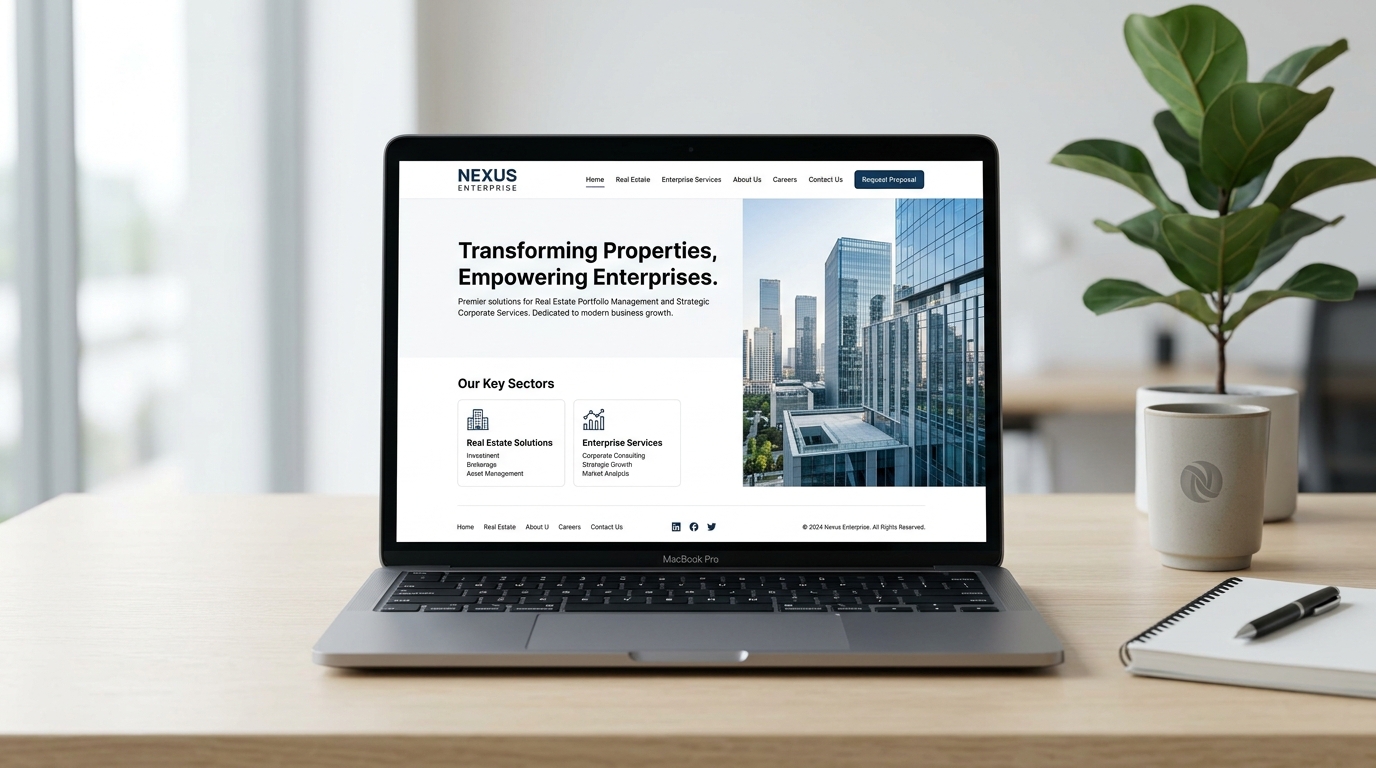
By engineering websites with lightweight, semantic HTML5, optimized CSS3 variables, and vanilla DOM manipulation, page payloads are reduced by over 80%. Styles and layout render immediately upon download, ensuring near-instantaneous visual stability and a seamless user experience across all screen sizes.
Long-Term Maintenance & Security Reliability
Beyond raw speed, native code provides immense durability. Web standards evolve gradually with backward compatibility. Websites engineered cleanly on native standards do not suffer from breaking npm dependency cycles, plugin deprecations, or sudden API breakages.
For American business owners seeking a predictable, high-converting digital presence, lightweight native development represents the highest return on engineering investment.